
Trinity Hewtty
Editor-In-Chief



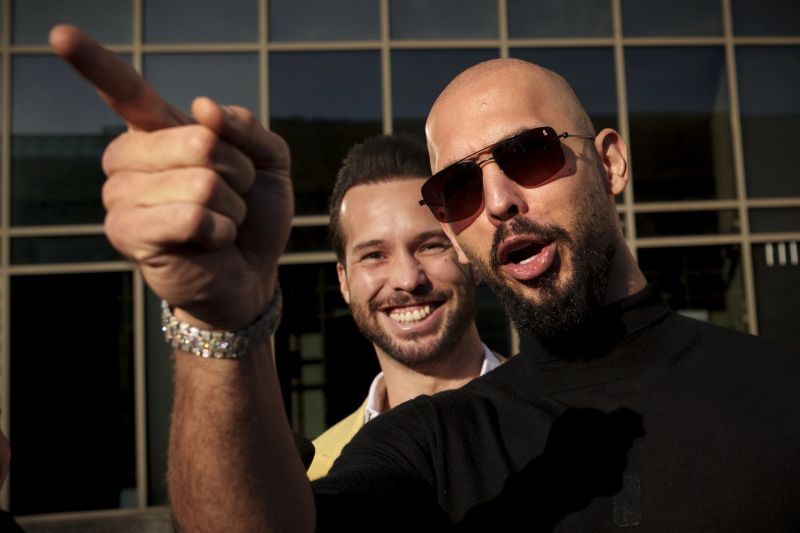
Andrew Tate gestures, next to his brother, Tristan, outside the Bucharest, Romania, Thursday, Jan. 9, 2025. Tate is known for his influence in the manosphere, an online movement promoting hypermasculinity and wealth. (AP Photo/Vadim Chirda, File)
An online male subculture has steadily grown in recent years, fueled by self-proclaimed “alpha male” influencers such as Andrew Tate, Myron Gaines, Justin Waller and Harrison Sullivan, also known as HS Tikky Tokky. These figures promote a view that prioritizes wealth, fitness and social status as the primary ways to attract women, while also normalizing lifestyles that include multiple partners and fractured family structures.
In the Netflix documentary Inside the Manosphere, Louis Theroux examines these issues built around hypermasculinity, “red-pill” ideology and anti-women rhetoric. While Tate was not interviewed for the film, he is considered a prominent figure who helped shape the manosphere. This way of thinking reflects a broader cultural shift in how some men view relationships, gender roles and power.
The documentary highlights influencers who market rigid ideas of masculinity to young men, often dehumanizing women and viewing relationships as power struggles. While Theroux captures these views clearly, the film rarely challenges them in a meaningful way. In particular, it fails to address a central issue: the tendency within the manosphere to group all women into a single category.
Women are individuals with different beliefs, values, experiences and identities. Reducing women to a single stereotype is not only inaccurate but it also pushes ideas that overlook individuality. These are mothers, daughters, sisters and loved ones—people whose lives and perspectives cannot be boxed into one definition.
To put it simply, not all women prioritize money above respect or meaningful relationships. Some may seek relationships based on financial status, which can be a mutually beneficial arrangement if both parties understand the dynamic. Others define their value through self-worth. Neither approach is inherently right or wrong. They are simply different.
The implications of this mindset go beyond online rhetoric. The manosphere’s messaging can influence young men’s behavior, shaping relationships, family dynamics and social attitudes toward women. It reflects a setback in how women are viewed in society, showcasing ideas from a time when women were denied basic rights like being able to vote. Moving backward toward those attitudes does not strengthen society—it undermines it.
History offers examples of women who have shaped the world in profound ways. Marie Curie, for instance, remains the only person to win Nobel Prizes in two different scientific fields, pioneering research on radioactivity. Achievements like hers highlight the capabilities of women in society.
Theroux’s documentary shows both the appeal and risks of the manosphere, but his approach often comes across as accusatory and fails to ask the questions fully needed to challenge his subjects. Recognizing these online spaces is essential to spotting misleading ideas. Without that awareness, the manosphere could continue to influence the next generation of men in ways that increase division rather than promote understanding.